The Anchor of Routine: Creating Predictability in a World of the Unexpected
For many children with special needs, the world can feel overwhelming and unpredictable. Sensory input can be chaotic, communication can be frustrating, and a constant barrage of new therapists, doctors, and environments can be unsettling. A well-designed, consistent home routine acts as a powerful anchor, providing the predictability and safety your child needs to thrive and reducing anxiety for the entire family.
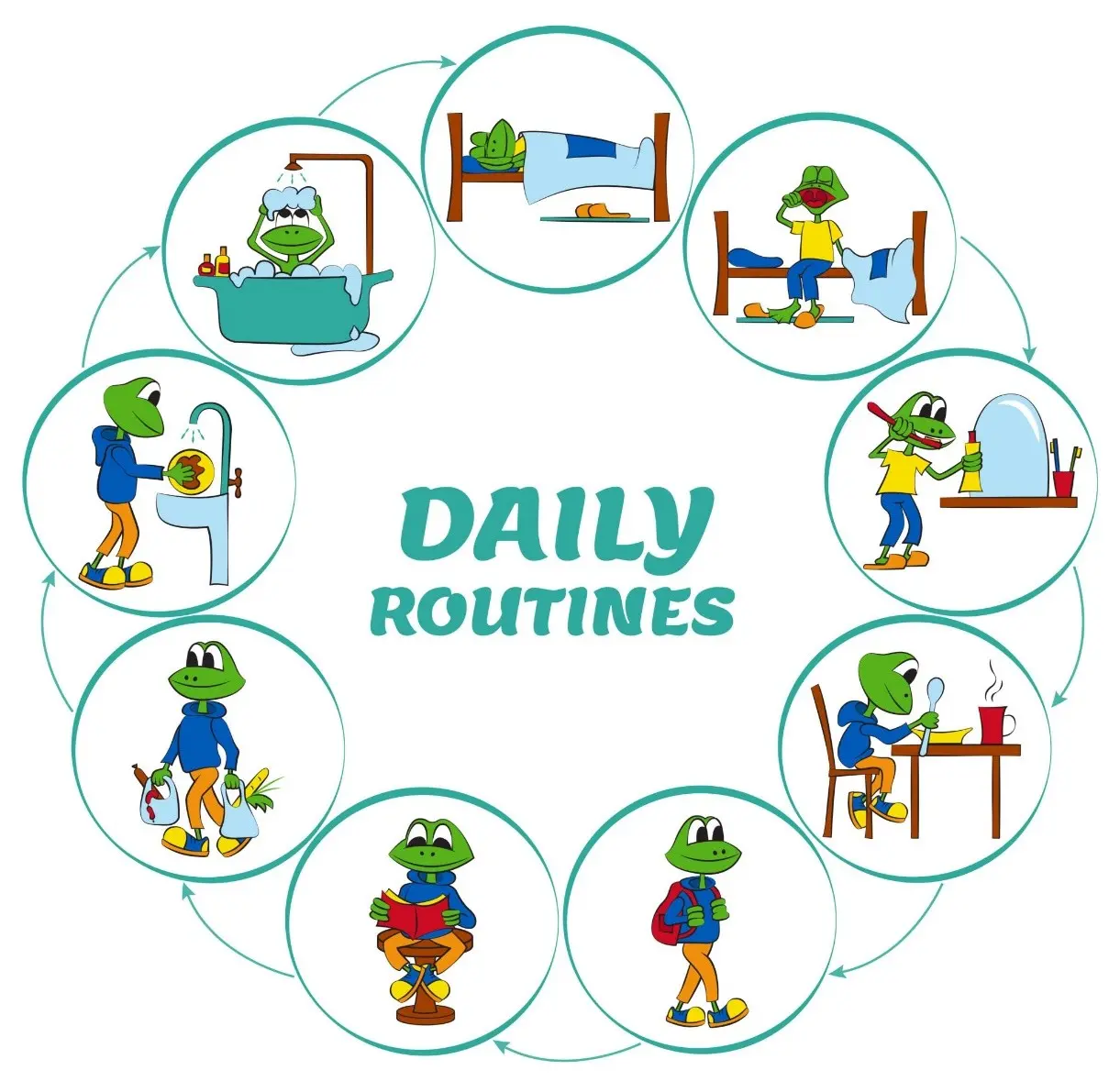
Building a Calmer Day with Routine:
- Start with Visual Schedules: Visual supports (pictures, symbols, or written words) are crucial for establishing routine. They make abstract concepts like “bedtime” or “after therapy” concrete. Create simple, sequential schedules for key periods (morning, after school, bedtime) and place them where your child can easily see and interact with them.
- Focus on Consistency, Not Perfection: The goal isn’t to be rigid, but to be consistent. Try to follow the same sequence of events at roughly the same time each day, including weekends. This predictability, especially around mealtimes and sleep, builds a foundational sense of security.
- Use Transition Warnings: Many challenging behaviours occur during transitions (moving from one activity to the next). Use clear transition warnings (e.g., “Five more minutes of playtime, then it’s time to clean up for dinner,” or a timer). This gives your child time to mentally prepare for the change.
- Incorporate Sensory Needs: A successful routine must account for your child’s unique sensory profile. Build in sensory breaks (e.g., jumping, deep pressure, quiet time) before you expect them to focus on a challenging task like homework or before a transition that is typically difficult.
- Build in Flexibility (and Teach It): Life happens. Routines will be interrupted. Teach your child flexibility by preparing them for planned changes (“Today, Granny is picking you up instead of Dad”). For unexpected changes, model a calm reaction and quickly return to the established routine when possible.
Routine: A Foundation for Independence
A consistent routine not only reduces anxiety but is also a powerful tool for teaching independence and self-regulation. By mastering the steps of their daily routine, your child gains competence and confidence that extends to every other area of their life.
Arcadia Special Education Consulting Solutions offers behavioural strategy consultation to help you analyse current challenges and design routines and visual supports that are perfectly tailored to your child’s specific learning style and sensory needs.