The New Year Reset: Setting Meaningful Goals Beyond the Classroom
As the calendar turns to a new year, it brings a fresh opportunity to look beyond the immediate demands of therapy and school, and to set meaningful goals that truly enhance your child’s quality of life and future independence. While the IEP addresses educational goals, the New Year is the ideal time to focus on functional, emotional, and self-advocacy skills that build competence and confidence at home and in the community.
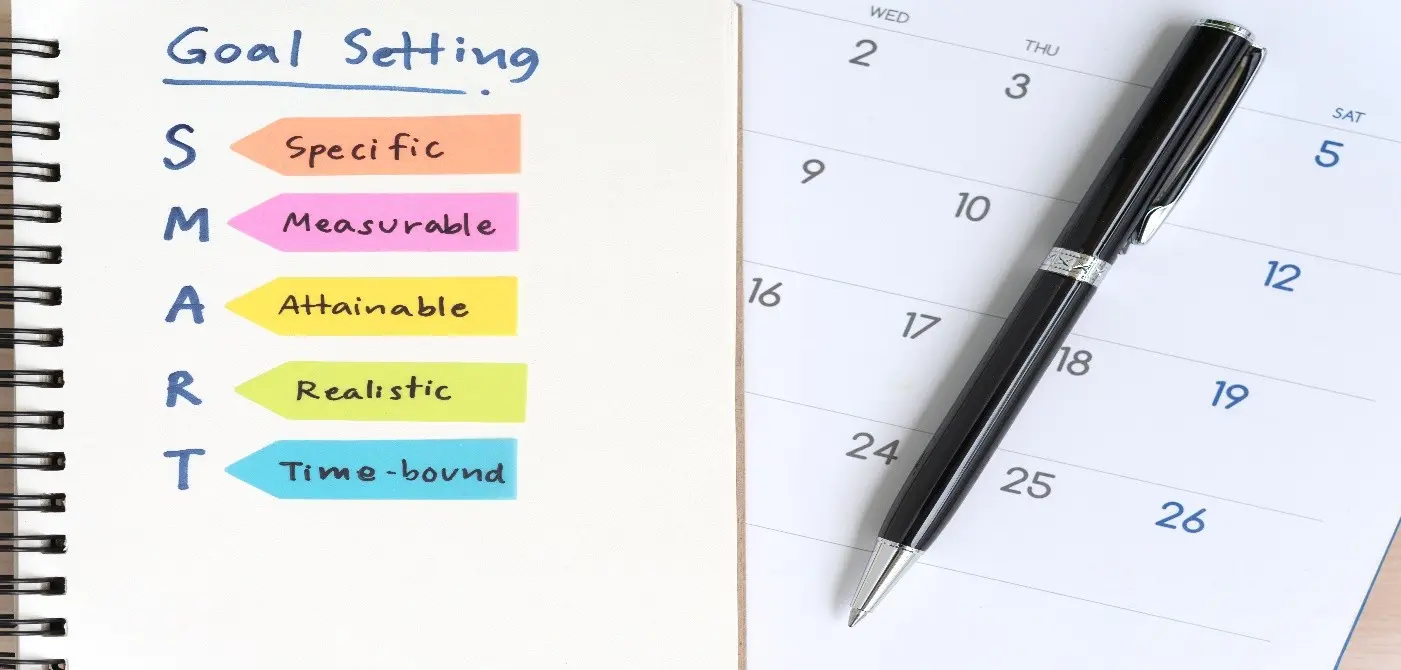
Setting SMART Goals for a Special Year:
When setting goals, the SMART framework is a powerful tool. Goals should be: Specific, Measurable, Achievable, Relevant, and Time-bound.
| SMART Element | Definition & Application | Example (Functional Skill) |
| Specific | Clearly define what you want your child to achieve. | Not: "Be more organized." But: "Independently put all dirty clothes in the hamper daily." |
| Measurable | How will you know the goal has been met? Use data. | "The clothes are in the hamper 5 out of 7 days a week for one month." |
| Achievable | Is this goal challenging but realistic given their current skills? | If the child struggles with fine motor skills, this is a better goal than "Tying shoes." |
| Relevant | Does the goal matter for their long-term independence or quality of life? | Yes, this promotes self-care and helps the family routine. |
| Time-bound | Set a target date for achievement and review. | "Goal will be reviewed and possibly increased by April 1st." |
Focusing on Three Key Areas:
- Functional Independence Goals: These focus on the daily life skills that build self-sufficiency.
- Examples: Mastering a simple meal preparation step (e.g., making a sandwich), managing their personal calendar, using public transportation with supervision, or independently performing a multi-step chore.
- Examples: Mastering a simple meal preparation step (e.g., making a sandwich), managing their personal calendar, using public transportation with supervision, or independently performing a multi-step chore.
- Self-Regulation and Emotional Goals: These aim to improve your child’s ability to manage stress, frustration, and sensory input.
- Examples: Learning to identify when they are feeling “overloaded” and using a specific coping strategy (e.g., asking for a break, going to the quiet corner) three times per week, or communicating feelings using a picture chart.
- Examples: Learning to identify when they are feeling “overloaded” and using a specific coping strategy (e.g., asking for a break, going to the quiet corner) three times per week, or communicating feelings using a picture chart.
- Self-Advocacy Goals: This is the most vital skill for their future. It involves your child learning to communicate their needs, preferences, and rights.
- Examples: During an IEP meeting, stating one thing they like about school, telling a cashier they need help with the change, or politely requesting an accommodation from a teacher. Start small, but always provide opportunities for them to speak for themselves.
The Power of Small Steps
The secret to achieving big goals is breaking them into micro-steps. Instead of trying to implement a new skill overnight, focus on teaching one small component at a time, celebrating that progress, and then building upon it. Keep your goals posted visually, and track progress together—this teaches your child about effort and reward.
Remember, the goal of the New Year isn’t to create a different child, but to empower the child you have with the skills they need to navigate the world confidently. Every step forward, no matter how small, is a success worthy of celebration.
Arcadia Special Education Consulting Solutions can help you translate your parental aspirations into measurable, achievable annual goals and integrate them seamlessly with your child’s existing educational and therapeutic plans.